


Bone densitometry
Bone densitometry is an examination that accurately determines the mineral density of bones. After comparison with reference values —which take into account age, weight, sex, and racial background— a diagnostic assessment is provided.
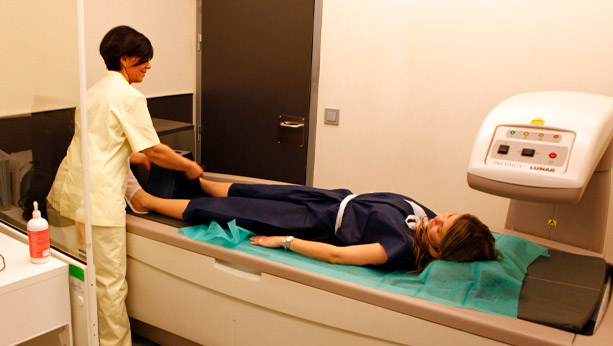
The information will be used by the physician to confirm or rule out bone fragility (osteoporosis) and to determine the potential risk of fractures.
Measuring mineral density, and repeating densitometry over time, helps evaluate changes in bone structure and assess the effectiveness of treatments.
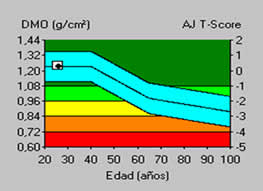
Graphical report of a bone densitometry
How a bone densitometry is performed
Bone densitometry is one of the simplest and safest medical examinations.
To perform the test, the patient simply needs to lie down in a comfortable position and allow the densitometer to take the measurements. It is a non-invasive procedure that does not require injections and is painless.
Although it is a radiological technique, the radiation emitted is very low —less than one-tenth of the exposure of a chest X-ray.
As with other radiological procedures, if you suspect you may be pregnant, inform the technician who will perform the test.
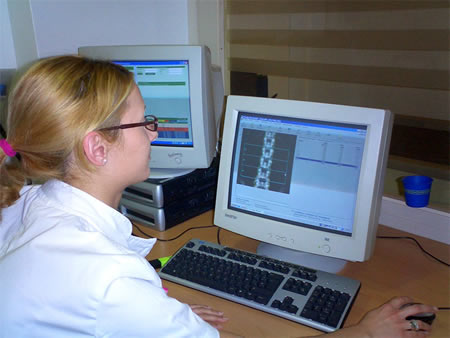
Analysis of a bone densitometry scan
Preparation
Bone densitometry does not require any special preparation.
The examination only requires removing objects or clothing with high density from the area to be scanned, such as buttons, metal fasteners, buckles, or zippers. The technician performing the test will explain in detail which items of clothing you can keep on and which should be removed for the study.
During the test, a brief questionnaire about your dietary habits will be conducted to assess your daily calcium intake.
You should also inform the technician if you have previously undergone any examination involving contrast agents (X-rays) or radioactive substances (scintigraphy), as these products can interfere with or alter the densitometry results.
Patient Care Information
Most health insurance providers cover this test with prior authorization. When you schedule an appointment, you will be informed about your insurance coverage and the procedures to follow.
At our clinic, you can receive the test report on the same day as the examination.


